Place
Begin with what is actually happening
The question starts with a real place, its stewards and what the situation can honestly carry.
 Spiralweb
Stewarding life together
Spiralweb
Stewarding life together
Spiralweb is a living public infrastructure for place-rooted stewardship. It begins with people already caring for living places and connects their situated knowledge with science, human-held AI and patient support. Learning may travel; authority does not automatically travel with it.
AI-supported citizen science can become more than data collection for an external centre. It may help people working in small, place-rooted practices build public, institutionally legible and correctable knowledge—and strengthen their capacity to examine practice, question institutions and help correct the systems that shape their conditions.
The aim is not a larger centre, but greater distributed capacity to sense, act, learn, correct and continue.
Spiralweb is the connective habitat around this work. It connects what a living place needs without making one institution the centre.
The question starts with a real place, its stewards and what the situation can honestly carry.
Observation returns to the people involved. Learning becomes useful when it can correct action.
Money, time, knowledge and institutional access remain bounded by relationship and responsibility.
The Association can hold agreements, coordination and resources. It does not own the places, relationships or knowledge.
Meet the relationships carrying the first movement. These processes move at different rhythms.
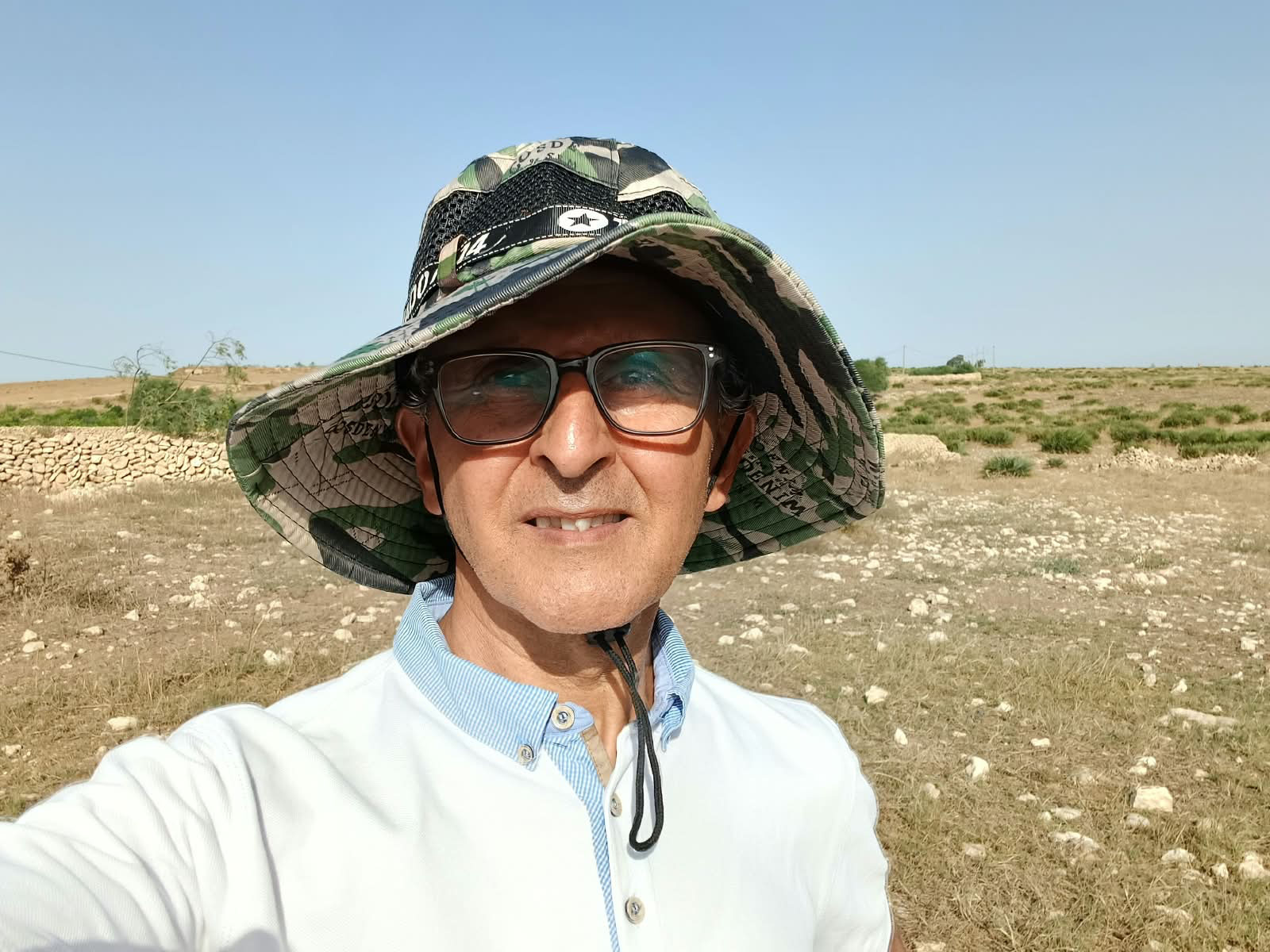
In Morocco, a shared learning pathway is taking shape around two distinct places. At Ferme Badaoui, Abdelhamid Badaoui, Mohamed Belbaida and the local team are exploring open ground and an existing pomegranate orchard. At Firmaty, Assyl Elazzaoui brings a separate question about water security. Ingrid Pullar connects dialogue and continuity across the relationships. Water, living soil, food, habitats and the people sustaining the work are considered together.
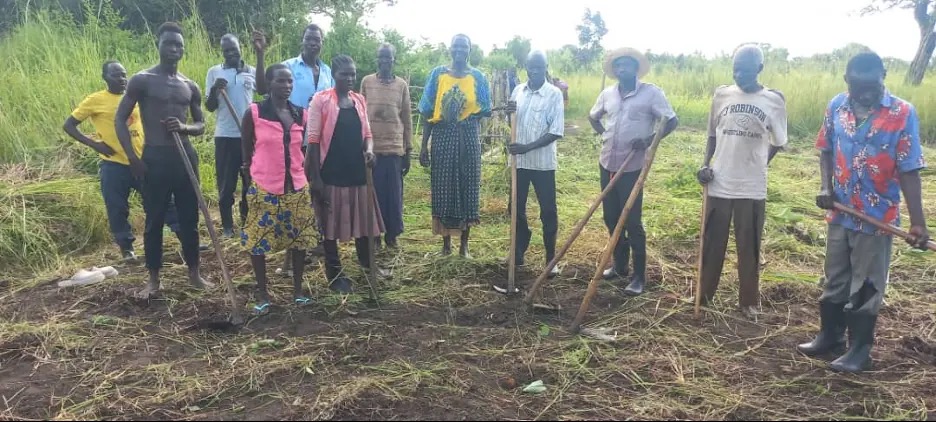
The September report from Kitgum Community Foundation describes nursery preparation, watering and visits to existing household food-growing practices under drought pressure. Akena Patrick and the group are preparing further learning with local growers. Larger planting waits for rain and local judgement. The first shared, supported movement is being shaped from this work.
Shared ground has been agreed around chinampa stewardship, documentation and governance learning. Local participation and scope are still forming.
An established relationship is held quietly while the first three processes begin and return practical learning. Visit the relationship record →
Choose the threshold that fits your relationship to the work. These are different ways to take part, not steps towards a single centre.
Meet emerging AnchorPoint constellations and field relationships.
Inquiry and knowledgeLearn, use and contributeEnter through Café Sofia and continue into the knowledge commons when useful.
Public responsibilityConnect a mandate to living placesOpen a bounded institutional conversation.
Material supportOffer patient capacityUnderstand the whole before choosing how to support.
Food makes the relationships visible. Land, water, labour, nourishment, biodiversity, knowledge and governance meet in the same living conditions. That makes food systems a practical field for learning how support can strengthen life without imposing a single model.
The form may be a food forest, agroforestry system, school garden, chinampa, dryland field, coastal practice or an existing local system seeking greater continuity. What fits is shaped locally.
Experience can move—with consent, provenance and uncertainty intact—without claiming authority over its source.
Distinct rooms remain connected without becoming interchangeable.
AnchorPoints may hold shared local relationship and learning; field records show present conditions, agreements and status.
One offers an accessible beginning; the other preserves versions, provenance and correction.
The Association carries legal and democratic responsibility. Planetary Guardians contributes practice and protocol lineage.
Collection, shared capacity and public record are different things.
The DKK 5.3 million figure is a planning horizon, not money received. It connects three current field horizons in Morocco, Kitgum and Xochimilco with the Association capacity needed to hold agreements, lawful finance, local participation, documentation and public Return over time. The shared collection cannot be earmarked by donors. The PG Ledger shows dated received, allocated, committed, released and accounted amounts separately; its opening figures are not a live balance.
Spiralweb names a way of returning, relating and learning. It is a working discipline, not a claim to hold the whole.
A spiral returns to what matters, but never from exactly the same place.
A web makes relation visible without turning one actor into the whole.
The name offers orientation while leaving room for the living place to exceed it.
The habitat is real. Its capacity is still forming. Read and use the open material, begin from your own place, enter a bounded conversation, become a member or support the first field flow. None of these paths transfers authority over a living place.