FVIS · Growing and learning in Rhamna
Maroc en français · المغرب بالدارجة
At Ferme Verte de l’Innovation et de la Solidarité, Samira El Mamouni brings growing, plant propagation and practical teaching together.
What is already here
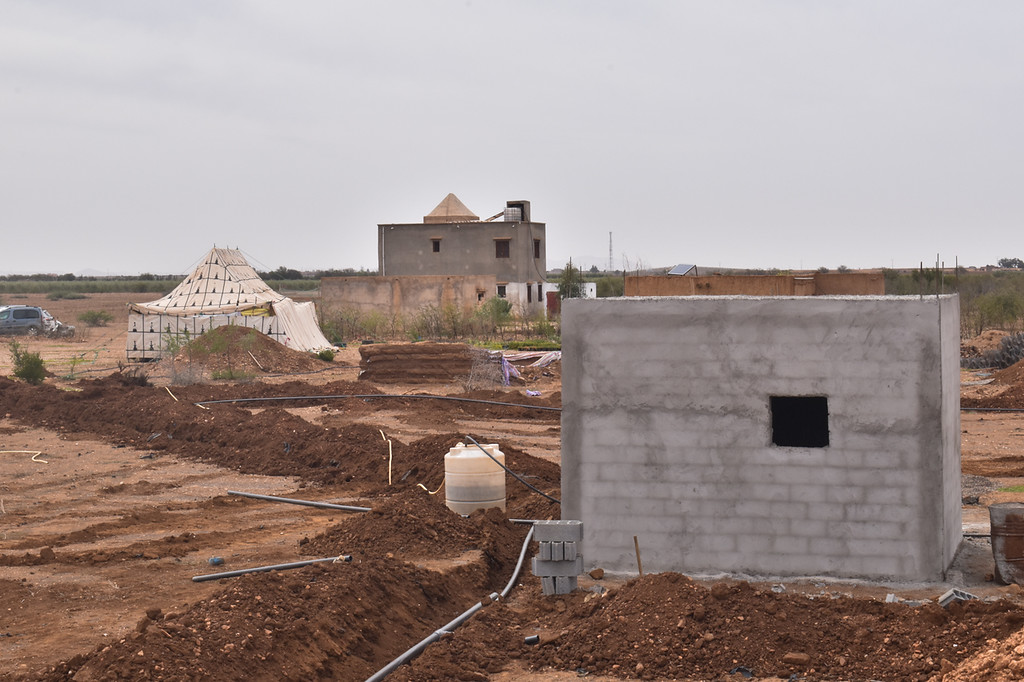
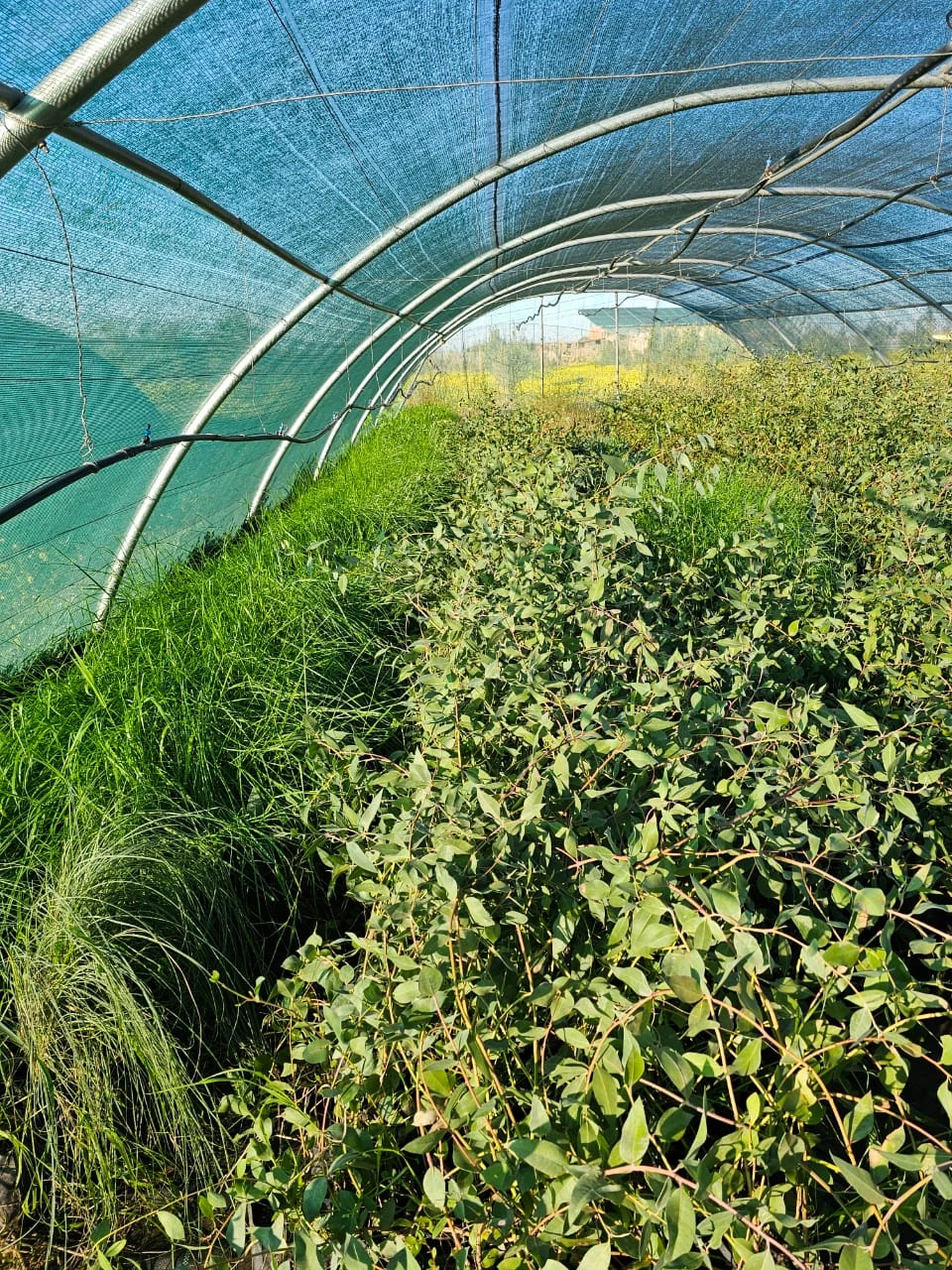
Samira El Mamouni is a landscape architect and runs the farm school near the Jbilat mountains, between Sidi Bou Othmane and Nazlet Laadam. Olive trees, fruit trees, vegetable beds and two greenhouses give people places to learn through the seasons. The farm’s reservoir and solar panels are part of the practical work of growing food where water is scarce.
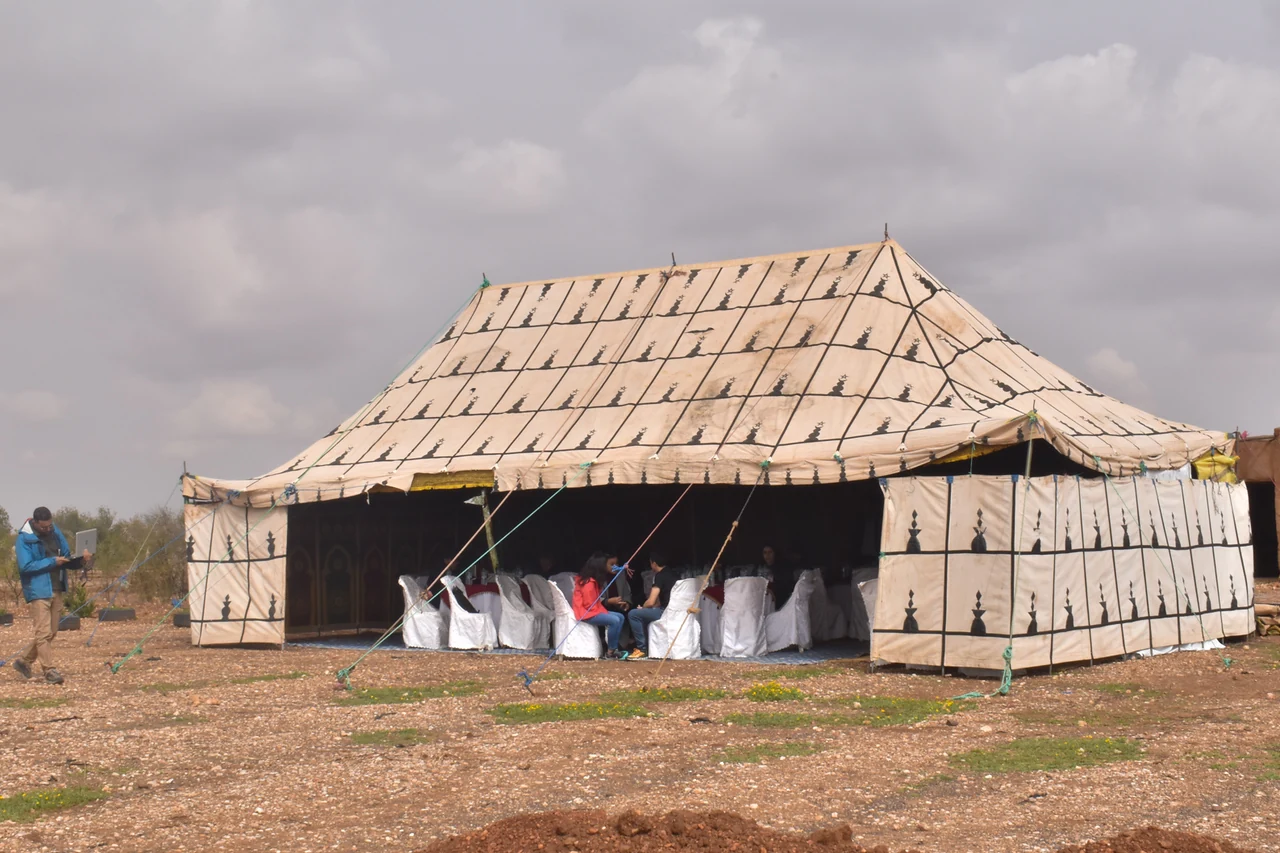
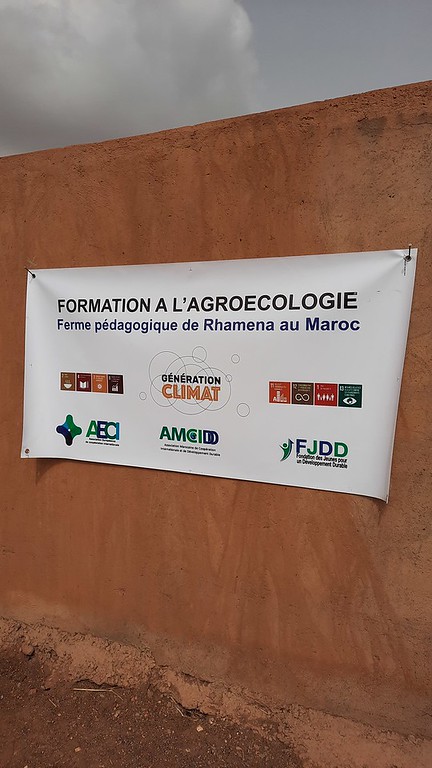
FVIS brings practical knowledge about growing and teaching into the collaboration. The farm school has hosted agroecology workshops. Its work also raises questions about how local women can develop and sell products together and have a say in the conditions of that work.
Planting material, water, soil, habitat and the time needed to look after plants all belong in the picture. What grows well, what is worth protecting, and what would make the work viable over a season are questions that can be examined together.
From growing aloe to selling together
Local women have learned to grow aloe vera. A next step is to learn to extract and preserve the gel and prepare it for sale. Samira has established a cooperative that gives the farm and local participants a way to sell crops and processed products together. How much value people can retain depends on access to equipment, time for processing and the terms on which they can sell. The cooperative gives those doing the work a place to shape those terms.
From the greenhouse to the landscape
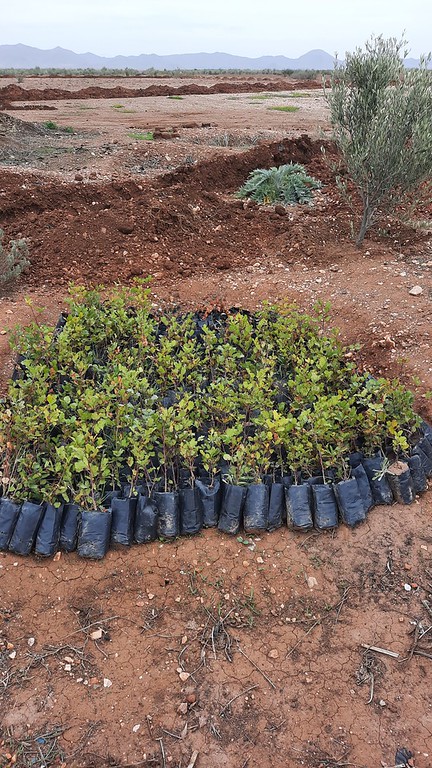
At the farm, selected drought-tolerant plants from the High Atlas are being propagated for landscape work along the motorway between Marrakech and Agadir. The aim is to restore vegetation cover and limit erosion. After planting, a follow-up could show which plants survive, what water and care they need, and what changes for soil and habitats. That experience could change what later planting agreements pay for.
A proposed arboretum nearby
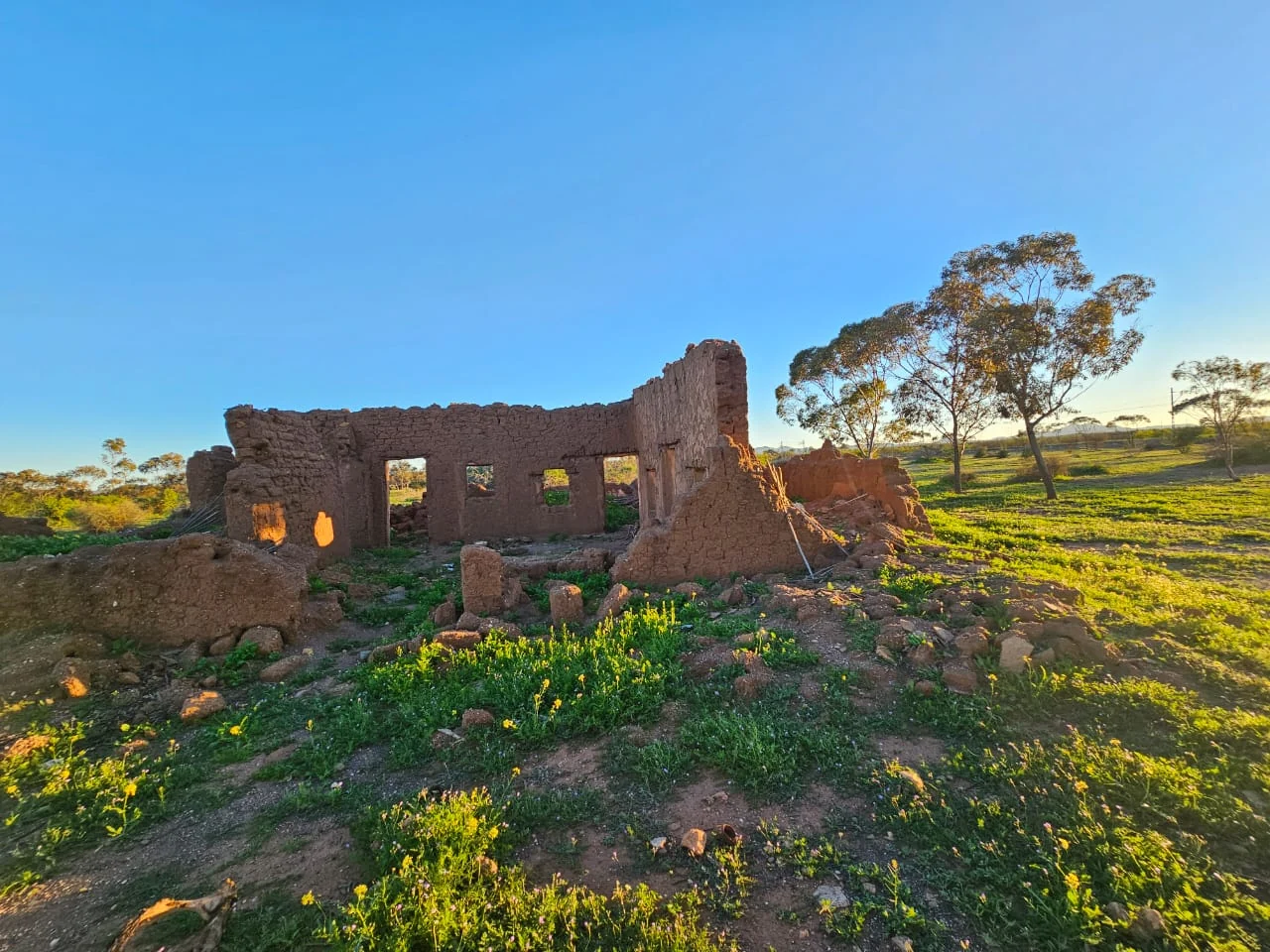
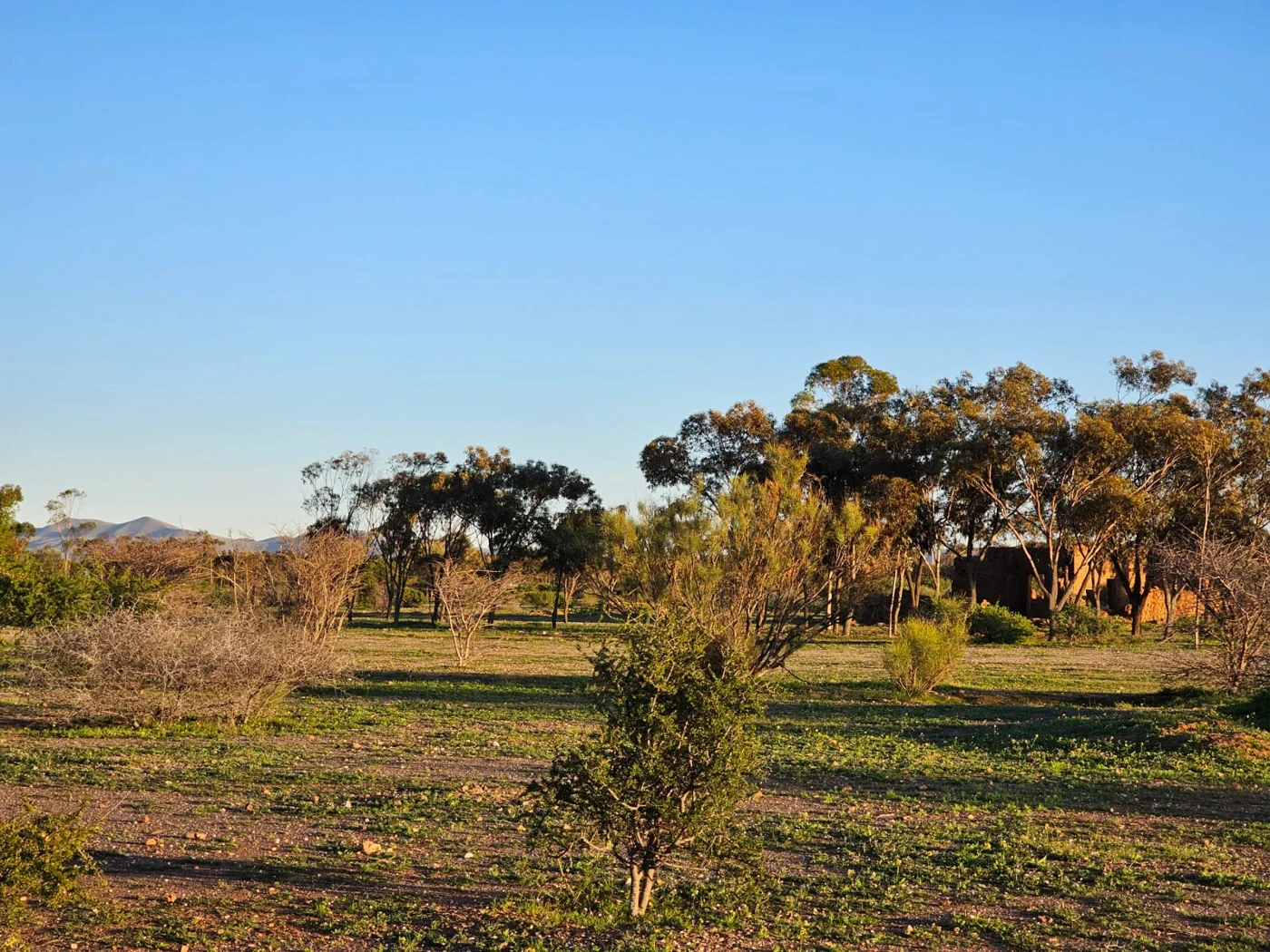
Samira El Mamouni and Ingrid Pullar have been developing a proposal for an arboretum on municipal land near the farm. Several kinds of eucalyptus stand on compacted soil with sparse undergrowth. The photos below show the area identified for the proposal.